Mastering the Basics of Photo Composition
Photography isn’t just about capturing what’s in front of you—it’s about how you arrange it within the frame to tell a stronger visual story. Composition techniques like balance, perspective, and movement help guide the viewer’s eye and turn ordinary scenes into compelling images. By learning and applying different rules and guidelines, you can create more intentional, dynamic, and visually engaging photographs that go beyond simple snapshots.
Rule of Thirds
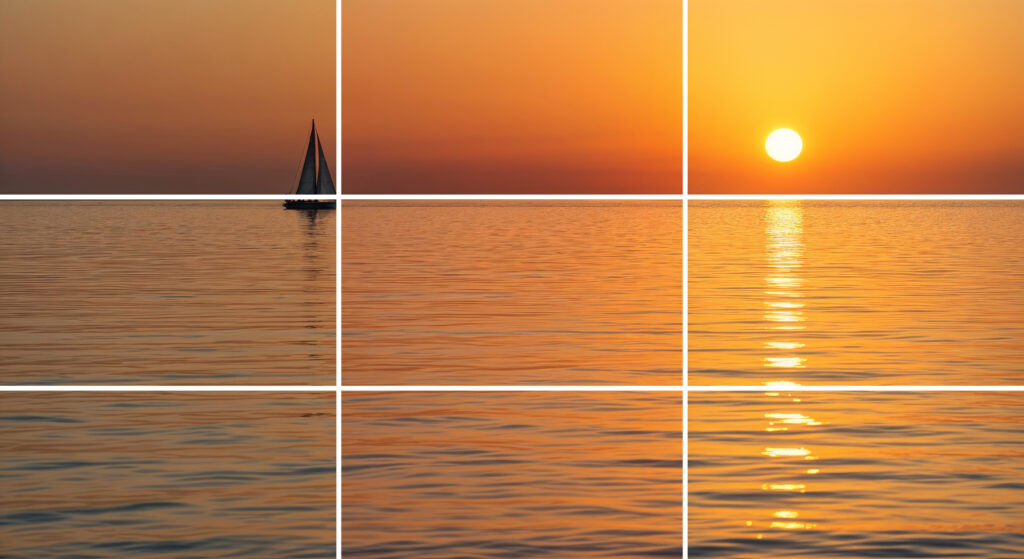
The Rule of Thirds is a simple composition guideline where you divide your frame into a 3×3 grid and place your main subject along the lines or at the intersections. Instead of always centering your subject, this helps create more balance, movement, and visual interest in your photos. It guides the viewer’s eye naturally through the image and is one of the easiest ways to make your photography feel more intentional and dynamic.
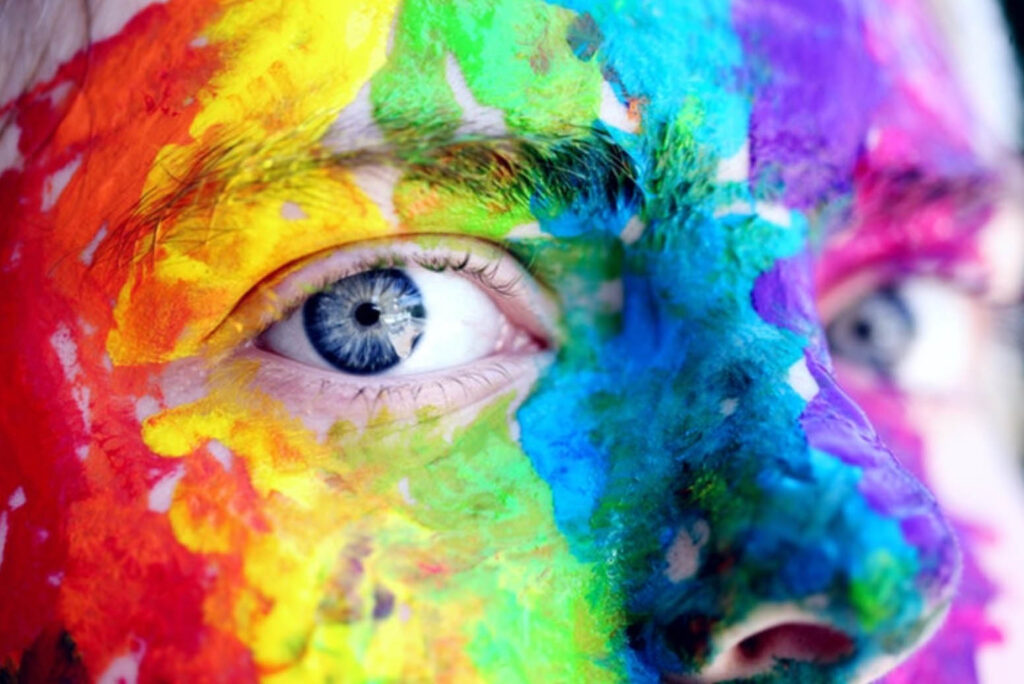
Fill the frame
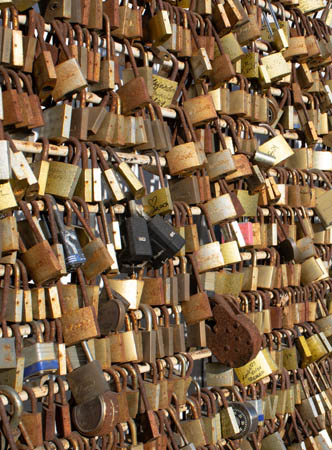
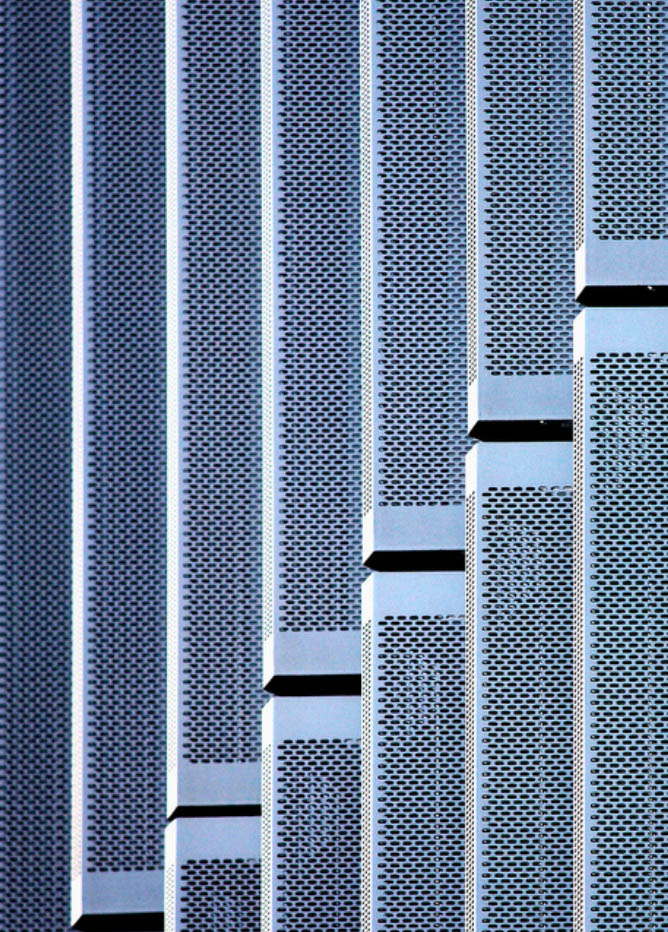
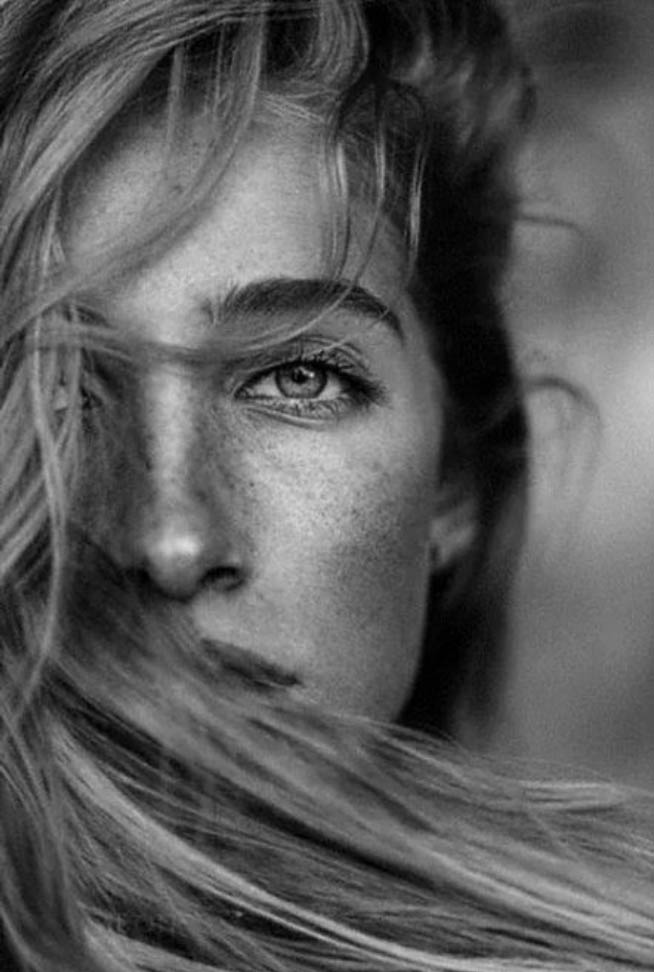
Fill the frame is when the frame is usually ALL one subject. Edge to edge. You only see ONE thing (or mostly one thing).





Point of View
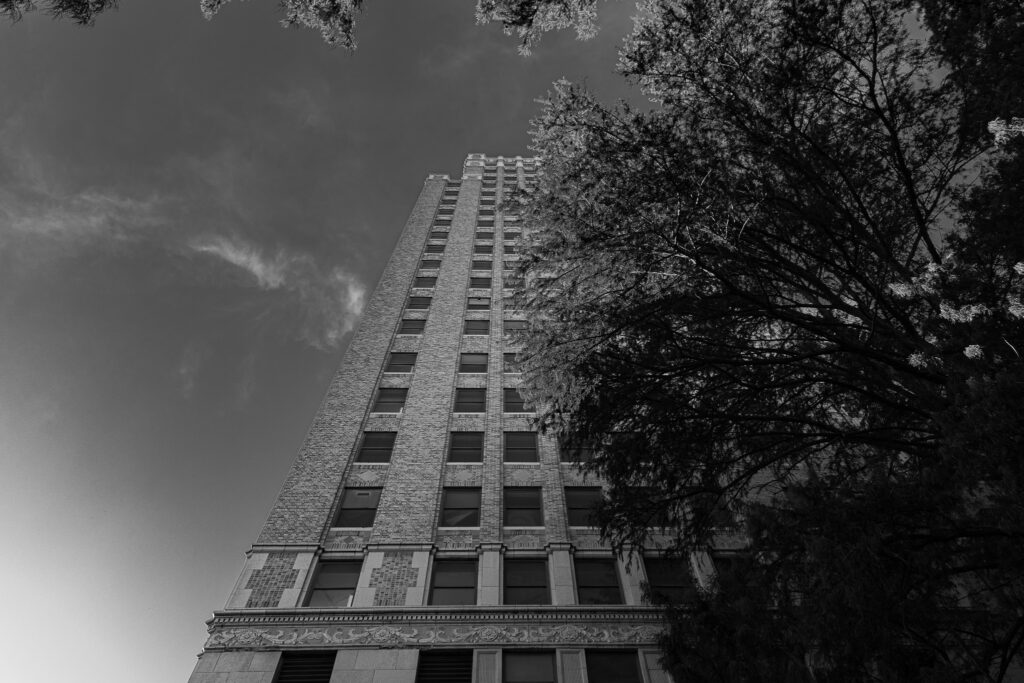
The camera lets you see the world from perspectives you normally wouldn’t notice. Instead of staying at eye level, try looking up, looking down, getting low to the ground, or finding a higher angle. Small changes in perspective can turn an ordinary subject into a much more interesting photo and create a stronger visual impact.


Repetition
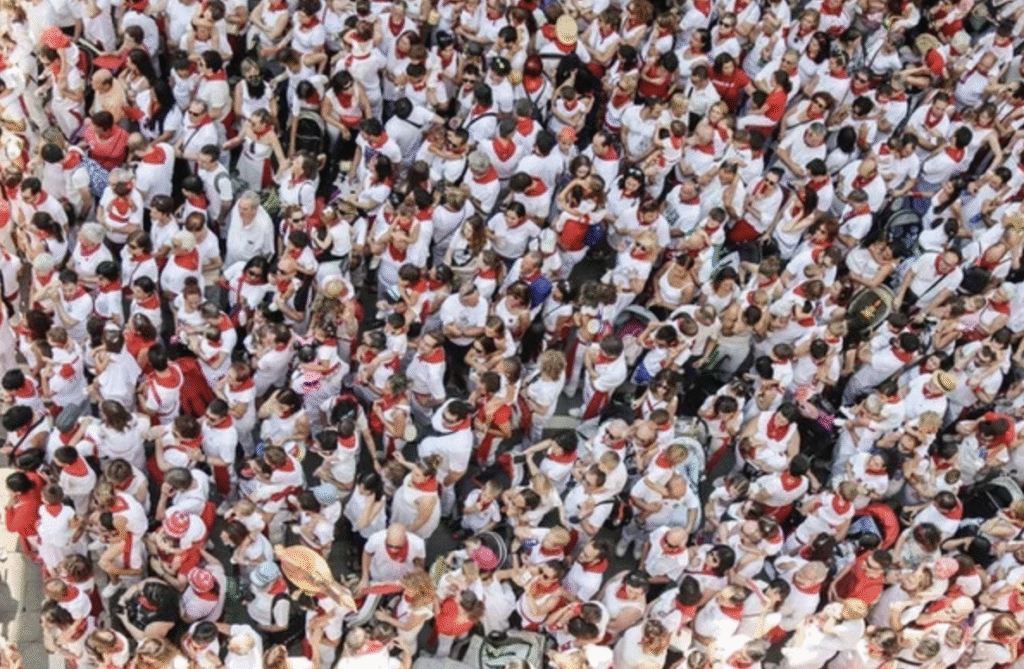
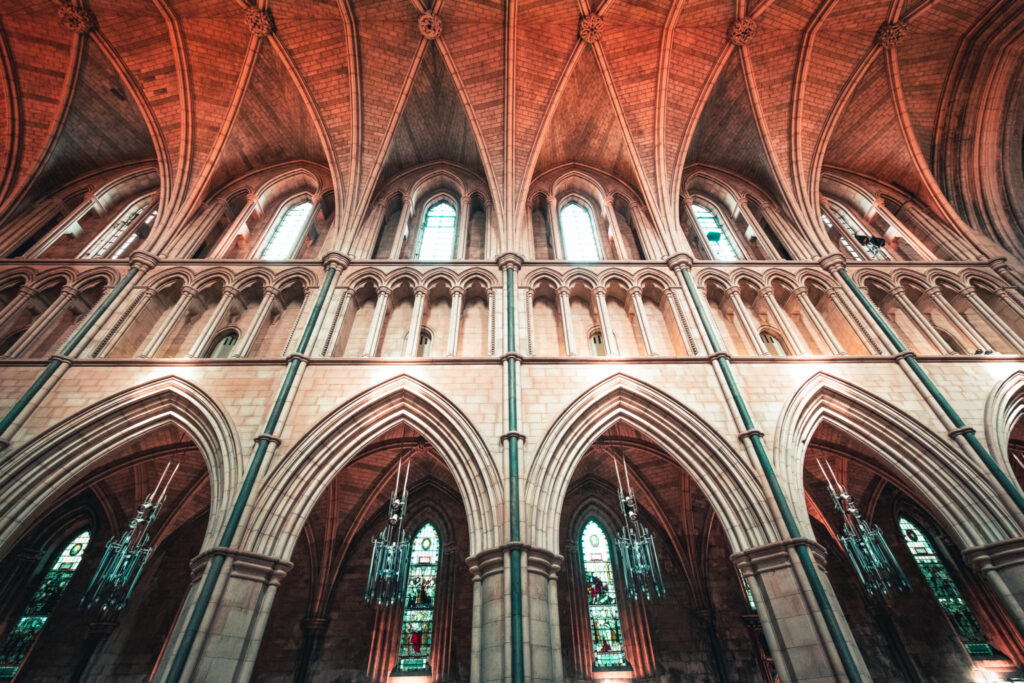
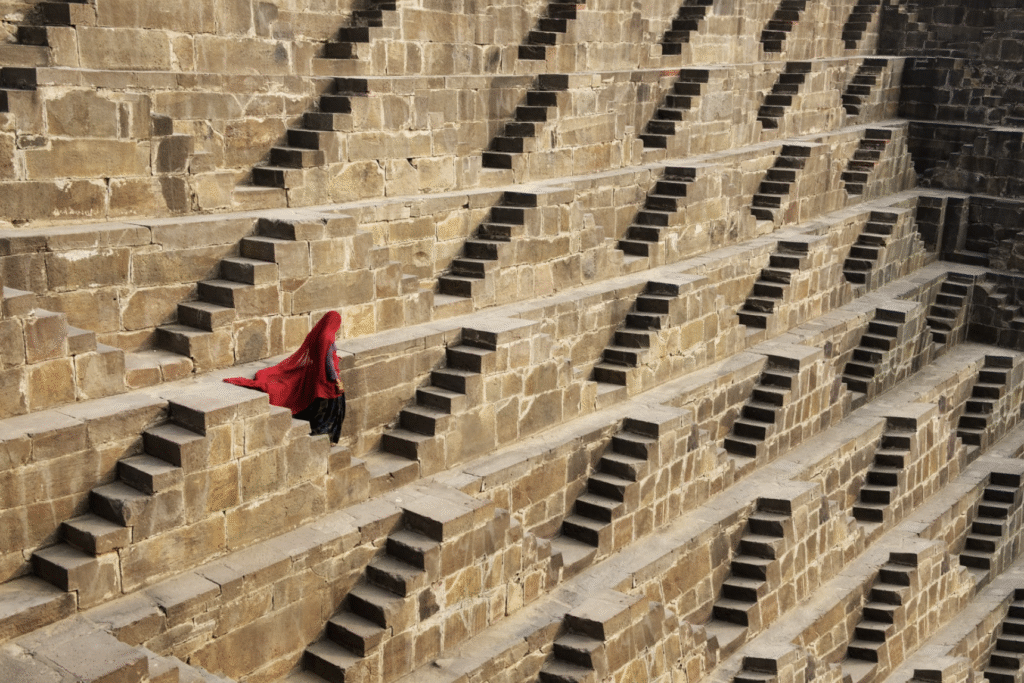
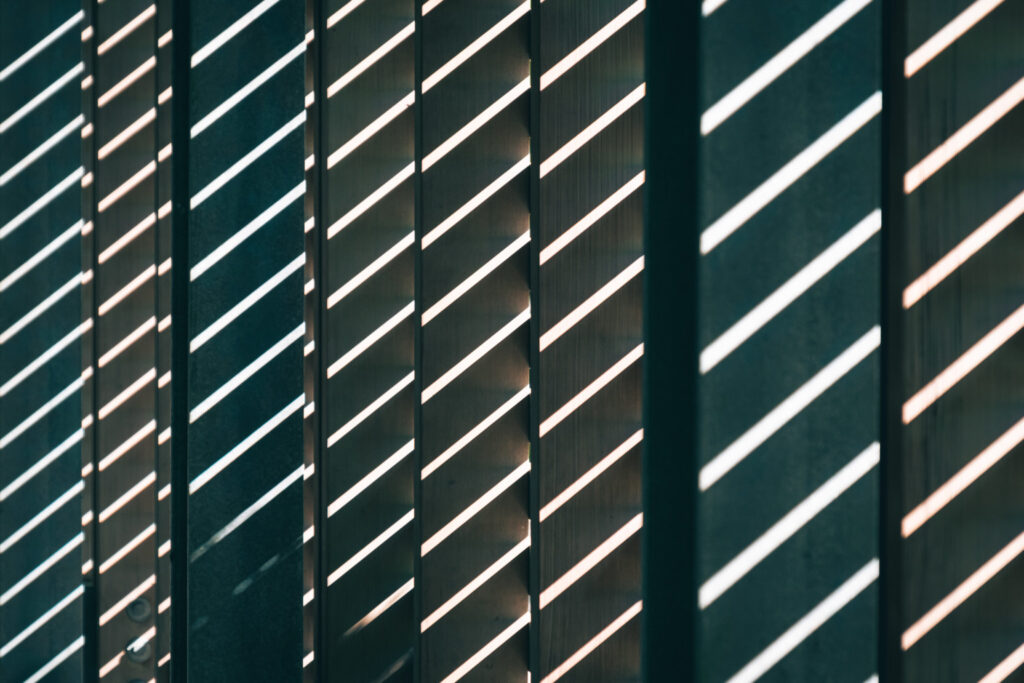
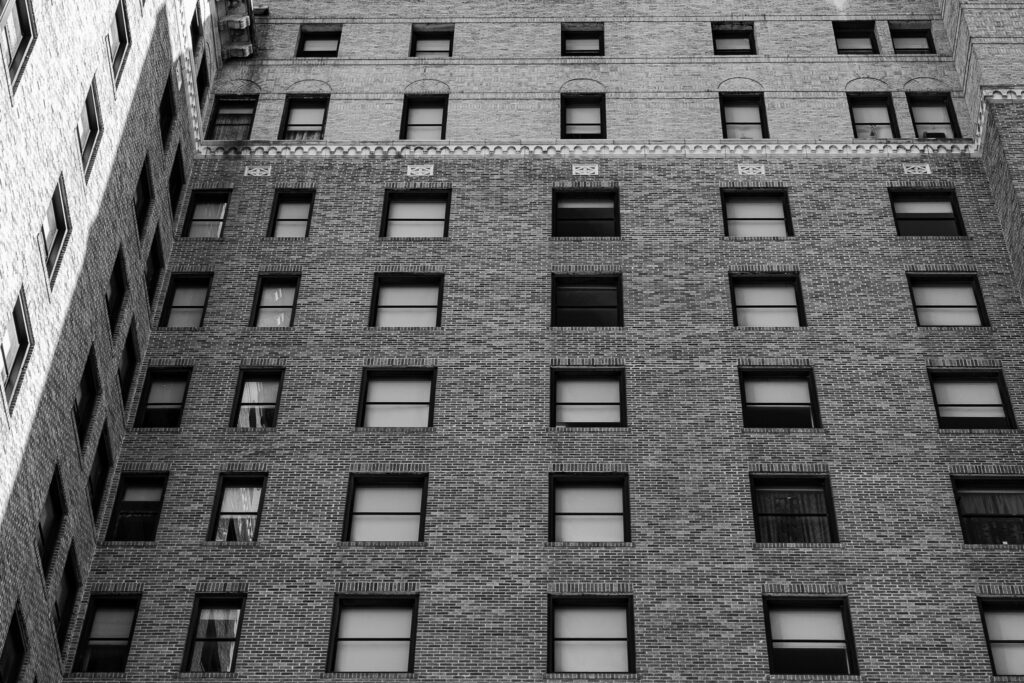
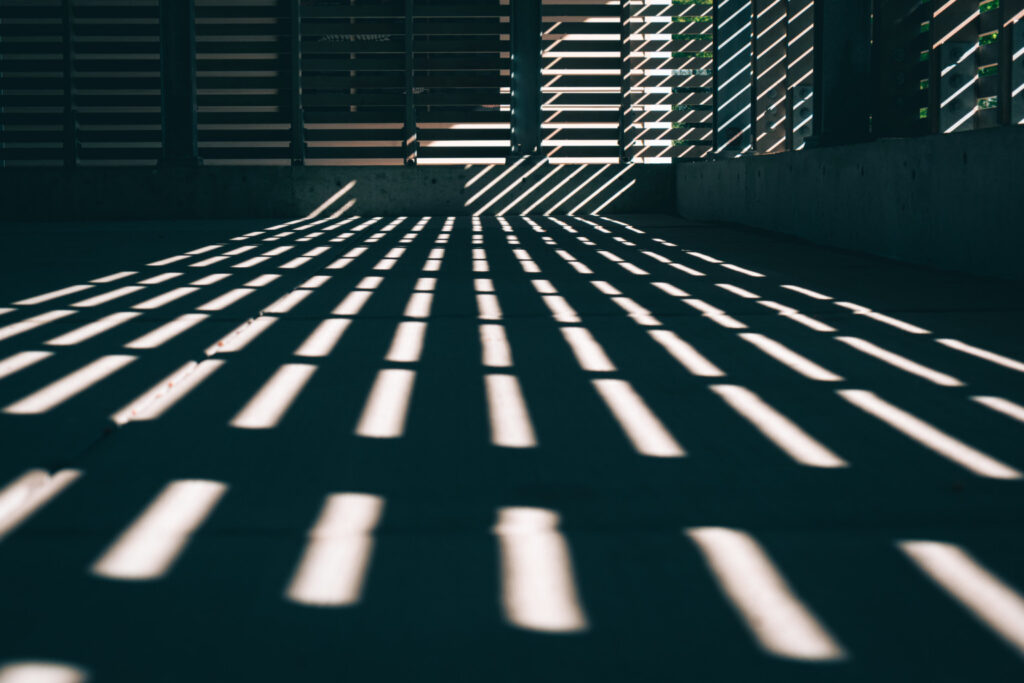
When there’s more than two or three of something, we tend to try to make connections or build a relationship between the objects. This, then, brings us deeper into the image as we are making those connections or exploring the relationships between objects. Repetition holds our attention and makes the photo more interesting.



Leading Lines
One Point Perspective
One Point Perspective is a composition technique where objects appear smaller as they move farther away, eventually meeting at a single vanishing point on the horizon. A vanishing point is where parallel lines seem to come together in the distance, like looking down a long road or hallway. This technique helps create depth and makes photos feel more three-dimensional and realistic.

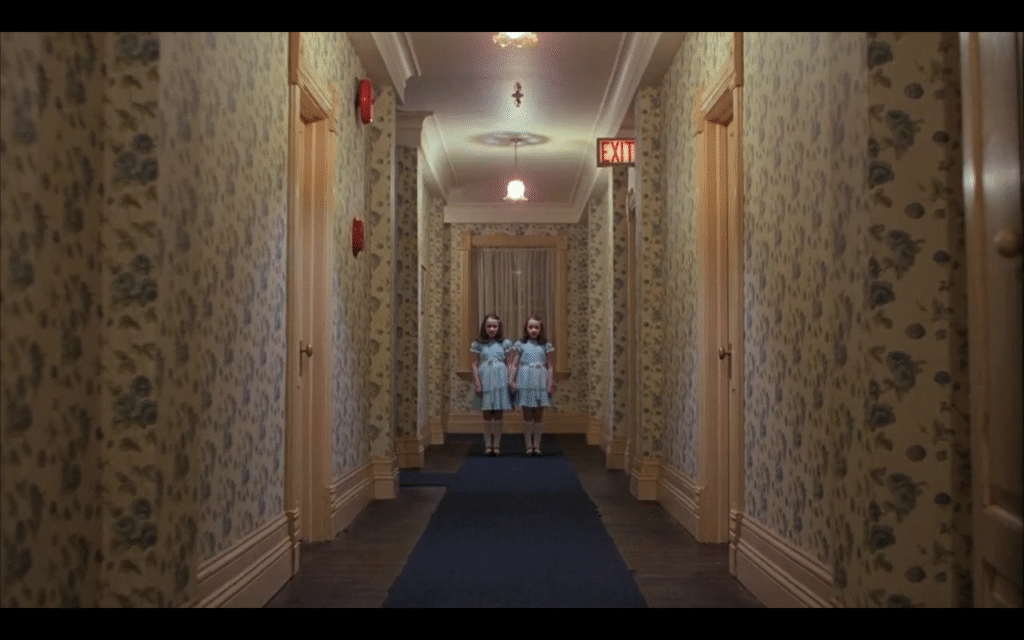
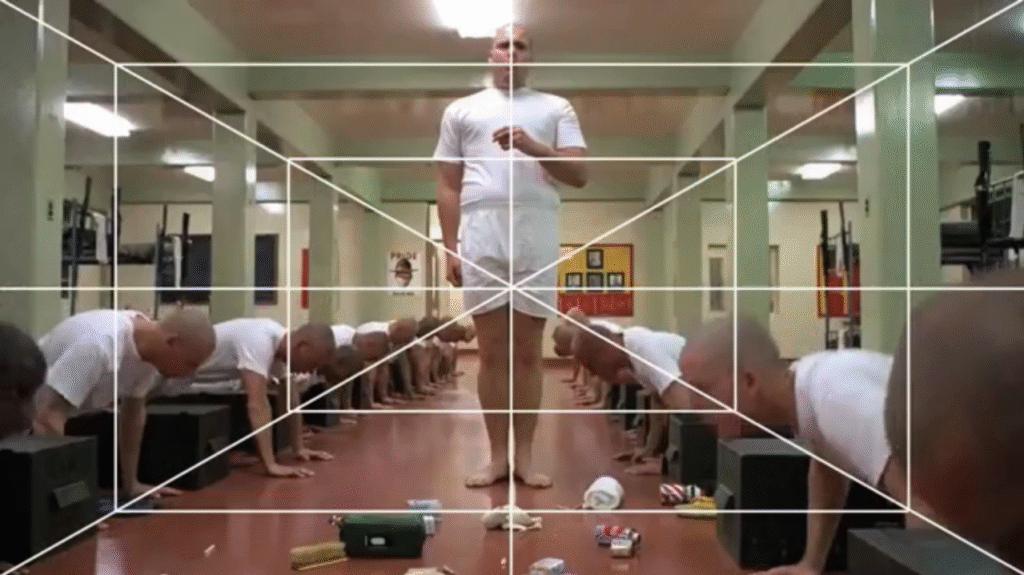
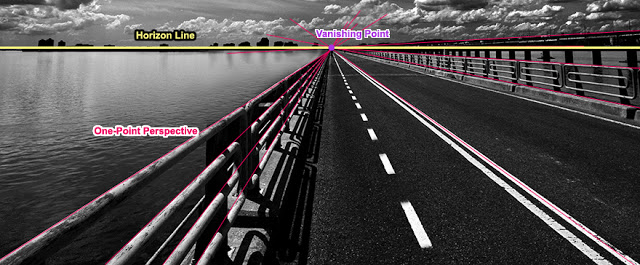
Leading Lines
Leading lines are used in photography to guide the viewer’s eye through the image and create a stronger composition. They can appear in almost any type of photography, including landscapes, portraits, architecture, and wildlife. Roads, fences, hallways, bridges, or even branches can act as leading lines by naturally directing attention toward the main subject in the frame.


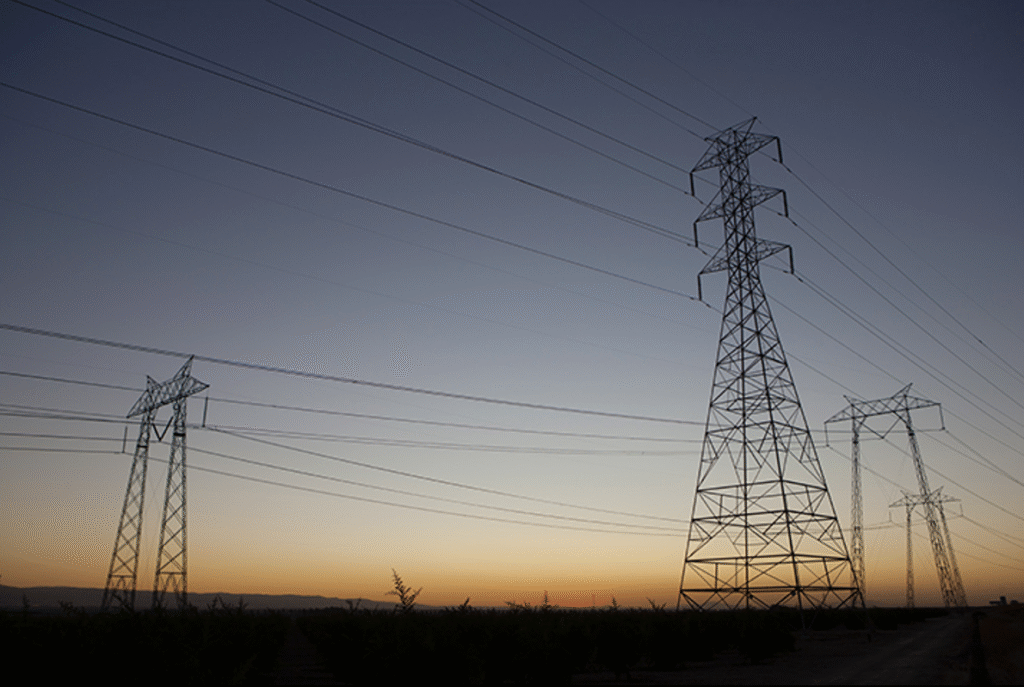

- Frame with in a frame – Framing uses objects in the scene to surround or highlight the subject. This helps draw attention to the main subject and adds depth to the image. Example: Photographing a person through a doorway, window, or tree branches.
- Check your Backgrounds – Always pay attention to what is behind your subject. A distracting background can take attention away from the main focus of the photo. Clean and simple backgrounds usually create stronger compositions. Example: Moving slightly to avoid poles or clutter appearing behind someone’s head.
- Rules of Odds and Evens – Photos with an odd number of subjects often feel more natural and visually appealing than even-numbered groupings. Odd numbers create balance without making the image feel too symmetrical. Example: Photographing three flowers instead of two.
- Rule of triangles – The Rule of Triangles uses triangular shapes or arrangements to create balance, movement, and stability in a photo. Triangles naturally guide the viewer’s eye through the image. Example: Three people positioned in a triangular arrangement.
- Rule of Space – The Rule of Space means leaving extra room in the direction a subject is moving or looking. This makes the image feel more natural and less cramped. Example: Leaving open space in front of a runner or someone looking off into the distance.
- Symmetry – Symmetry creates balance by making both sides of the image appear similar or mirrored. Symmetrical photos often feel clean, organized, and visually satisfying. Example: A reflection of a building in water.
- Fibonacci Spiral – The Fibonacci Spiral is a spiral pattern based on mathematical proportions found in nature. It guides the viewer’s eye through the image in a smooth and natural way. Example: A curled wave or flower petals following a spiral shape.